 Facebook
  Twitter
  Soundcloud
  Youtube
  Rss
Rss 
Andrew Walker reflects on the political symbolism of Barack Obama's short visit to Bangkok.
Archives
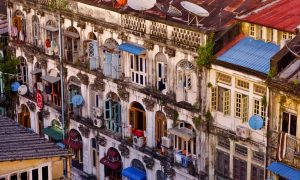
Mr Obama goes to Myanmar
Enthusiasm about Myanmar's reformist juggernaut will reach hitherto unseen peaks during the President's hours on-the-ground.
Entrepreneurship and economic growth?
Are Asian policy makers fooled by the hype that entrepreneur development creates economic growth?

The inexorable pursuit of an Islamic State
The aim of most Malaysians is not to turn this country into another repressive state that claims to rule with a mandate from God.
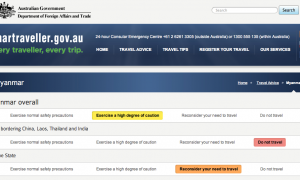
Myanmar for Australia
For as long as I can remember Australian governments have maintained Myanmar and Burma as the two names for one of Southeast Asia's most important countries.
Banned from Vietnam
The author of one of the best books on contemporary Vietnam has been banned from the country.
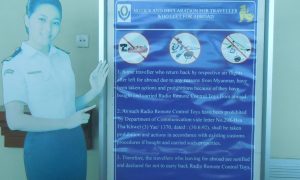
Does anybody know…
...exactly why the Myanmar authorities are so sensitive about the importation of radio-controlled toys and gadgets?
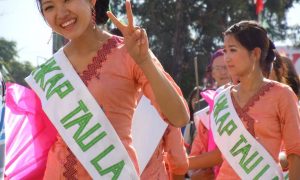
Four questions about the Kachin war
For peace, the best bet is that Burma’s current moves to electoral politics succeed. These days much is unpredictable, and can change quickly.
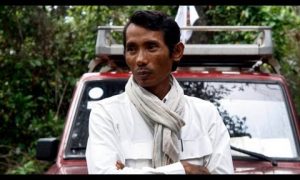
Cambodia’s death squads
Human Rights Watch released a sizzling report today that details the Hun Sen regime's three-decade history of extrajudicial killings.
Once a Muslim, always a Muslim
Why do Muslims continue to believe and rely on legislation to get them to heaven?
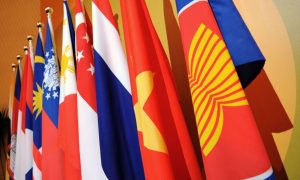
Cambodia, Thailand and the ASEAN Way
The ASEAN way, which includes the ‘non-intervention’ principle and consensus-based decision-making, has weakened any possibility of intervention in the now-receding border conflict.
Malaysia’s commodified Islam
In Malaysia, consumer habits aligned with aspirational piety form just another disciplinary mode to reinforce the boundary markers of identity.