 Facebook
  Twitter
  Soundcloud
  Youtube
  Rss
Rss 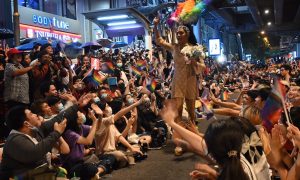
The People’s Party 2020 is redefining the nation by withdrawing the condition of "Thainess".
Archives

When Will Indonesia’s Film Industry Recover?
COVID-19 interrupted a boom for Indonesian cinema: their rate of recovery may be a bellwether for other sectors.

COVID-19 is eroding Indonesian local media’s role as watchdog
Local media are failing to supervise regional Indonesia, with many relying on government PR budgets or politicians’ fresh cash.
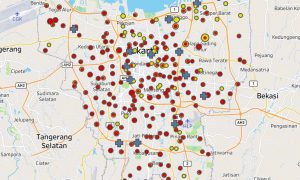
Governing a pandemic: centre-regional relations and Indonesia’s COVID-19 response
The current arrangements slow initial local responses without a corresponding payoff.

Sarawak state elections: testing the times
Conventional wisdom supports an incumbent win, but will GPS face any serious opposition as they take state nationalism to the polls?

EOI close this week! Southeast Asian researcher looking at gender & sexuality? New Mandala is looking for you.
Funded by the ANU Gender Institute, NM's latest project offers workshops in developing a short video using readily available devices. Get your EOI in before 12 Dec.

The role of neighbourhood leaders in Indonesia’s COVID-19 response
Neighbourhood leaders enjoy high levels of public trust but concerns about legitimacy and conflict limit the extent to which they can implement COVID-19 restrictions.
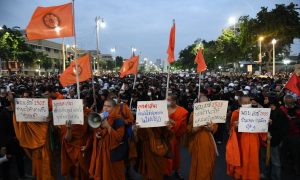
The pro-democracy monks joining Thailand’s protests
"The protesting monks question the Sangha Council’s silence toward radical right-wing monks but relentless effort to suppress democratically minded ones."
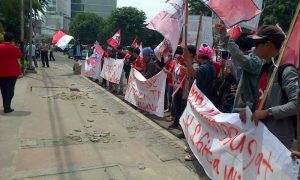
What is new in the old pattern of Indonesia’s student movement?
Novel phenomena emerge as students find common ground with workers, but there are risks.

Mental illness in Malaysia: the imperative to destigmatise
The Ministry of Health needs to make the strategic leap from awareness to research and intervention.
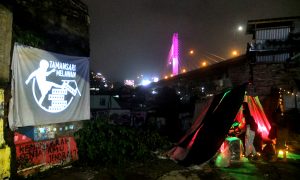
Eviction and urban resistance in Bandung
An urban development program has supported a boom in commercial property construction and displaced poor urban communities, sparking an upsurge in resistance
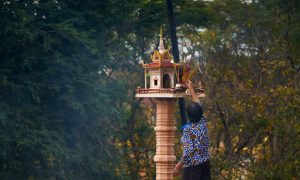
The desertion of Cambodia’s spirits
Spirits and forests are disappearing as a new, consumerist way of relating to the land literally gains ground.