Facebook
  Twitter
  Soundcloud
  Youtube
  Rss
Rss 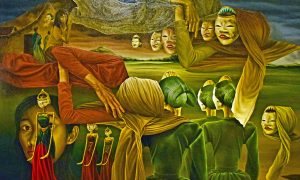
Like the Yogyakartan surrealist, Jokowi’s leadership offers a dreamscape, relying much on the promise of the future.
The Macbethian tragedy of Indonesian democracy
While observers might be surprised that Jokowi harboured despotic tendencies, never had he hid his stripes...The essence of the tragedy is the circularity of a flawed system and bad actors.
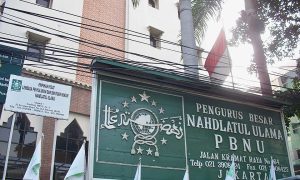
The dynamics of political contestation within Nahdlatul Ulama’s 34th Muktamar
NU’s dependence on political influence will make it difficult to maintain neutrality and critique social and political problems.
Video: Mental health in Indonesia: then, now and things to come
In this webinar recording, meet extraordinary individuals sharing their experiences in mental health in Indonesia.
The role of neighbourhood leaders in Indonesia’s COVID-19 response
Neighbourhood leaders enjoy high levels of public trust but concerns about legitimacy and conflict limit the extent to which they can implement COVID-19 restrictions.
Writing History in Premodern Java
The materiality of writing has major implications for the practice of history...When you look at a ‘medieval’ Javanese manuscript, it is almost always an 18th or 19th century copy of a copy of a copy ... and so on.

Jakarta voters: leaders are key in cuing policy assessments
Research shows most voters use shortcuts to assess public policy. Afrimadona argues that in Jakarta, the leader associated with the policy is key, even if voters might lean elsewhere with different information.

Was Majapahit really an empire?
A critical reflection on the emergence, dominance and legacy of Java’s historic ‘empire’.
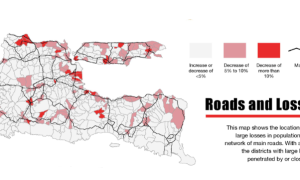
Mapping the 1965-66 killings in Java
Infographics reveal new details about the anti-communist violence.
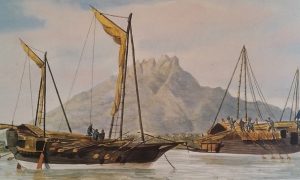
Perspectives on the Past at New Mandala
Welcoming the University of Sydney's Southeast Asian history bloggers to New Mandala.

Java’s Muslim Warrior Queen
This article explores the life and career of one of Java's great premodern leaders: the 16th-century queen of Jepara.
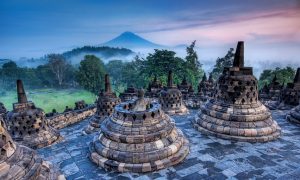
Performing Heritage (or, Making Temples Great Again)
Java's temples are sites for the performance of power, prestige and celebrity